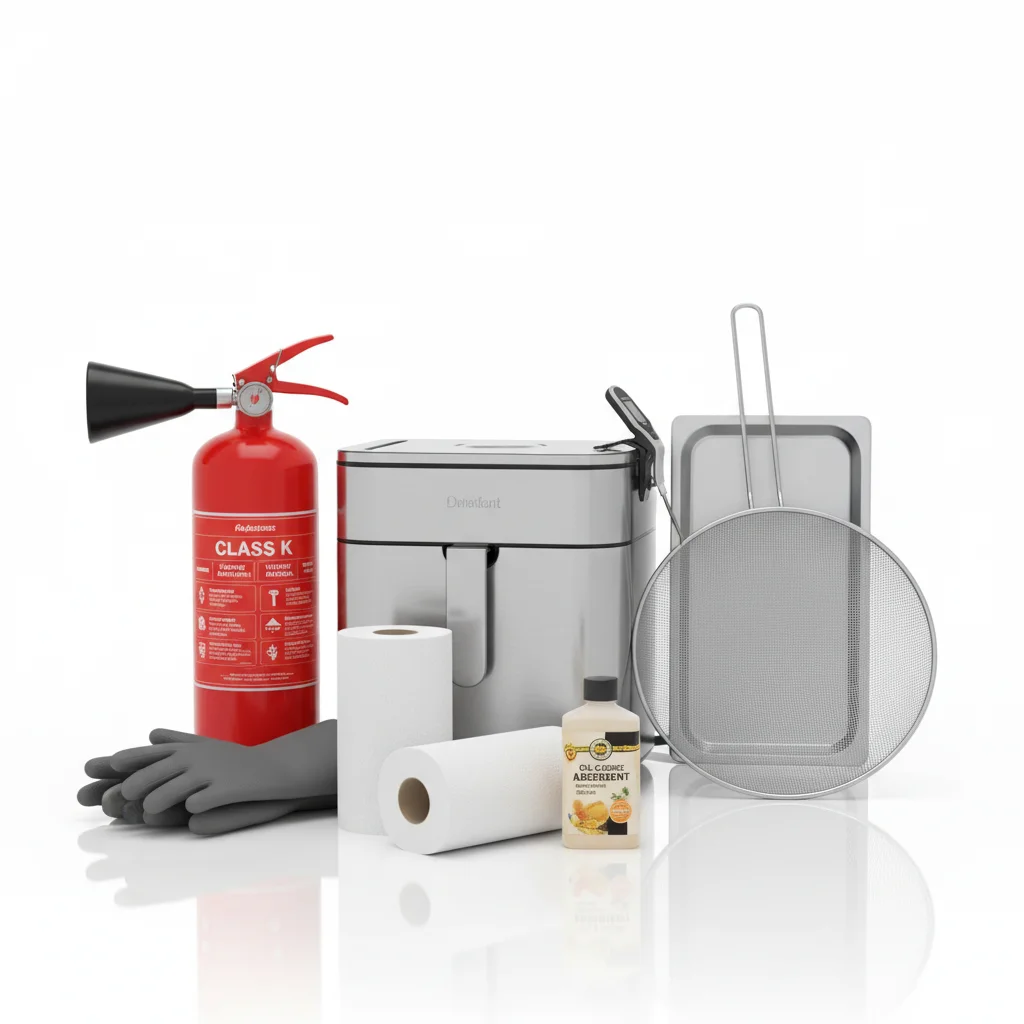
Ensuring deep fryer safety is paramount to preventing kitchen fires and serious injuries. There are five critical tips you should always follow when operating a deep fryer, whether indoors or outdoors, to significantly reduce the risk of accidents. These guidelines cover everything from proper oil handling to maintaining a safe cooking environment, helping to prevent common issues like overheating oil and accidental tipping.
Understanding Oil Temperature and Overheating Risks
One of the most common causes of deep fryer accidents is overheating oil. Different oils have varying smoke points, and exceeding these can lead to spontaneous combustion. Always use a thermometer to monitor oil temperature and never leave a deep fryer unattended while it’s heating. If you notice the oil smoking, immediately turn off the heat and allow it to cool completely before attempting to move or clean the fryer. Overheating can also degrade the oil quality, making it unsafe for consumption.
Proper Placement and Stability for Your Deep Fryer
The location of your deep fryer is crucial for safety. Always place it on a stable, flat, non-combustible surface, far away from walls, curtains, and other flammable materials. For outdoor fryers, ensure it’s on a level patio or concrete slab, never on a wooden deck or near dry grass. Maintaining a clear perimeter around the fryer helps prevent accidental tipping and provides ample space to react in case of a flare-up. Consider using a sturdy table specifically designed for outdoor cooking to enhance stability.
- Always operate on a stable, level surface.
- Maintain a safe distance from flammable objects.
- Ensure adequate ventilation, especially indoors.
- Keep children and pets away from the cooking area.
- Have a fire extinguisher (Class K or B) readily accessible.
Safe Handling of Hot Oil and Food
|
Our Picks for the Best Deep Fryer in 2026
As an Amazon Associate I earn from qualifying purchases.
|
||
| Num | Product | Action |
|---|---|---|
| 1 | Elite Gourmet Electric Deep Fryer, 4.5 Qt Total Oil Capacity (Dual 2-Qt Split Baskets), 1700 Watts, Stainless Steel, Separates Foods for Simultaneous Cooking, Stainless Steel |

|
| 2 | Secura 4 Liters / 17-Cup Stainless-Steel 1700-Watt Electric Deep Fryer with Timer Free Extra Odor Filter, Triple Basket, 4.5 Quarts, Black |
|
| 3 | Hamilton Beach Electric Deep Fryer with 3 Baskets and Lid, 4.5 Liters / 19 Cups Oil Capacity, Temperature Control, View Window, Professional Style, 1800 Watts, Stainless Steel (35034) |
|
| 4 | Hamilton Beach Cool Touch Electric Deep Fryer with Basket and Lid, 2 Liters / 8 Cups Oil Capacity, Adjustable Temperature, 1500 Watts for Fast Heat-up, viewing Window Easy to Clean, Black (35021) |
|
| 5 | Chefman 4.5 Liter Deep Fryer w/Basket Strainer, XL Jumbo Size, Adjustable Temperature & Timer, Perfect for Fried Chicken, Shrimp, French Fries, Chips & More, Removable Oil-Container, Stainless Steel |
|
| 6 | Secura 4 Liters / 17-Cup Stainless-Steel 1700-Watt Electric Deep Fryer with Timer Free Extra Odor Filter, Triple Basket, 4.5 Quarts, Silver |
|
| 7 | Alpha Living Electric Deep Fryer – 4.5L Deep Fryer with Basket with 2-Quart and 4-Quart Baskets – High-Grade Stainless Steel – Temperature Control and Timer – Ideal for Fried Chicken, Fries |
|
| 8 | Hamilton Beach 35032 Professional Style Electric Deep Fryer, Frying Basket with Hooks, 1500 Watts, 3 Liters, Stainless Steel |
|
| 9 | West Bend Deep Fryer with Adjustable Temperature Control Nonstick Basket Easy-View Window and Temperature Guide, Folding Handle and Locking Cover for Easy Storage, 3-Liter, Silver |
|
| 10 | T-fal 3.5L Stainless Steel Deep Fryer with Basket for Home Use, 1700W, Deep Fryer with Oil Filtration, Temp Control, Digital Timer |
|
Handling hot oil and food requires extreme caution. Always pat food dry before placing it into the hot oil to prevent splattering, which can cause severe burns. Lower food slowly and carefully into the oil, using long-handled tongs or a frying basket. Never overfill the fryer basket, as this can cause the oil to overflow and create a fire hazard. When finished frying, allow the oil to cool completely before attempting to move or dispose of it.offers excellent heat-resistant gloves for safe handling.
Essential Fire Safety Equipment and Procedures
Being prepared for a fire is just as important as preventing one. Always have a Class K or Class B fire extinguisher within easy reach when deep frying. Never use water to extinguish an oil fire, as this will only spread the flames. If a fire occurs, immediately turn off the heat source, if safe to do so, and cover the fryer with a metal lid to smother the flames. If the fire is uncontrollable, evacuate the area and call emergency services. Regular maintenance of your deep fryer, including cleaning and inspecting electrical cords, also contributes to overall safety.provides a comprehensive fire safety kit perfect for home kitchens.
Maintenance and Storage for Long-Term Safety
Proper maintenance and storage are vital for the longevity and safe operation of your deep fryer. After each use, allow the oil to cool, then filter and store it in an airtight container. Clean the fryer thoroughly, removing any food debris and grease buildup, which can become a fire hazard. Store your deep fryer in a cool, dry place, away from direct sunlight and moisture. Regularly inspect the heating element, thermostat, and power cord for any signs of wear or damage. Replacing worn parts promptly can prevent malfunctions and ensure safe operation for years to come.
Frequently Asked Questions
What is the most common cause of deep fryer accidents?
The most common cause of deep fryer accidents is overheating oil. Exceeding an oil's smoke point can lead to spontaneous combustion, making it crucial to monitor oil temperature with a thermometer and never leave a fryer unattended.
Where should I place my deep fryer for safe operation?
You should place your deep fryer on a stable, flat, non-combustible surface, away from flammable materials like walls or curtains. For outdoor use, a level patio or concrete slab is ideal, avoiding wooden decks or dry grass.
How do I safely handle hot oil and food when deep frying?
To safely handle hot oil and food, always pat food dry before frying to prevent splattering. Lower food slowly into the oil using long-handled tongs or a frying basket, and never overfill the fryer to avoid oil overflow.
What type of fire extinguisher is best for oil fires?
For oil fires, a Class K or Class B fire extinguisher is essential. Never use water to extinguish an oil fire, as it can spread the flames. If a fire occurs, turn off the heat and cover the fryer with a metal lid.
How often should I clean and maintain my deep fryer?
You should clean your deep fryer thoroughly after each use, removing food debris and grease buildup. Regularly inspect the heating element, thermostat, and power cord for wear or damage to ensure safe operation and longevity.
How to Safely Operate a Deep Fryer
Follow these steps to ensure safe deep frying and prevent kitchen fires or injuries.
Always use a thermometer to keep track of the oil's temperature, ensuring it does not exceed its smoke point. Never leave the deep fryer unattended while it is heating or in use to prevent overheating.
Place your deep fryer on a stable, flat, non-combustible surface, maintaining a safe distance from flammable objects. For outdoor use, choose a level concrete or patio area, avoiding wooden decks.
Pat food dry before frying to prevent splattering and lower it slowly into the oil using long-handled tools. Avoid overfilling the fryer basket to prevent oil from overflowing and creating a fire hazard.
Keep a Class K or Class B fire extinguisher nearby and know how to use it. Never use water on an oil fire; instead, turn off the heat and cover the fryer with a metal lid to smother the flames.
After each use, allow oil to cool, filter, and store it properly. Clean the fryer thoroughly to remove debris and grease, and regularly inspect all components for wear or damage to ensure long-term safe operation.

I really appreciated the point about different oils having varying smoke points. I always just used whatever cooking oil I had on hand, but now I understand why some batches would get smoky faster than others. It’s a small detail that makes a huge difference in preventing kitchen fires. I’m definitely going to be more mindful of that going forward.
The advice on not leaving the deep fryer unattended is good, but sometimes it’s hard when you’re doing other prep. I wish there were more tips on how to manage that better, especially for outdoor frying where you might be distracted. My oil did get a little too hot once because I stepped away for a minute. Still, solid reminders overall.
This is a must-read for anyone using a deep fryer, especially for outdoor cooking. The guidelines on maintaining a safe cooking environment are crucial. I’ve seen too many people set up their fryers too close to flammable materials. Following these steps will definitely help reduce the risk of accidents and keep everyone safe while enjoying some delicious fried food.
I’ve been deep frying for years, and the tip about always using a thermometer to monitor oil temperature is something I can’t stress enough. I used to just eyeball it, but after a close call with smoking oil, I learned my lesson. This advice is spot on for preventing those scary overheating situations. My fries have been perfect ever since I started being more precise.