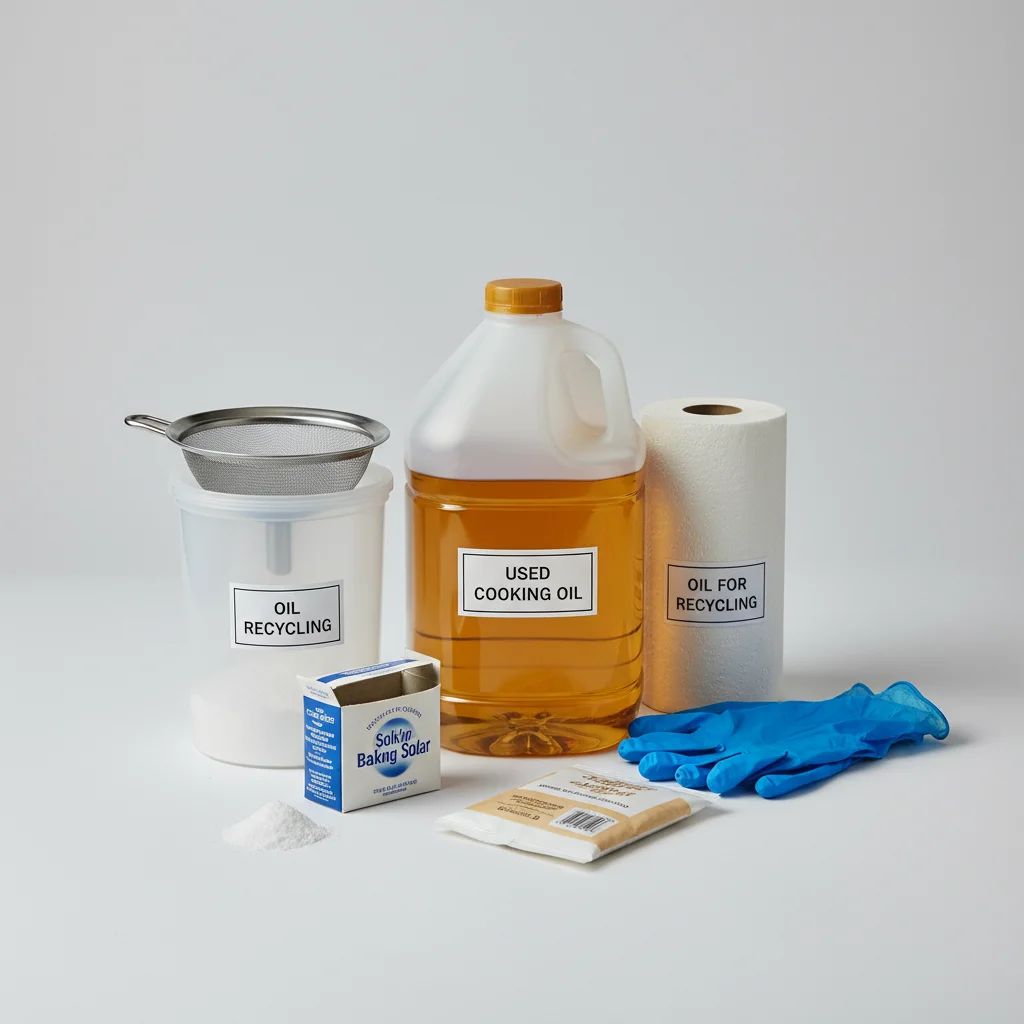
The safest and most effective method for disposing of used deep fryer oil is to allow it to cool completely, then pour it into a non-recyclable, sealed container before discarding it in your regular household trash. This approach minimizes mess and prevents contamination, protecting both your plumbing and the environment from potential harm.
Why Proper Oil Disposal Matters
Improper disposal of cooking oil, such as pouring it down the drain, can lead to significant problems. Grease solidifies in pipes, causing clogs and costly plumbing repairs. Furthermore, disposing of oil in gardens or natural environments can harm wildlife and contaminate soil and water sources. Responsible disposal protects your home and the environment. For shop curated deep fryers on this site.
Cooling and Containing Your Used Oil
Before you do anything, ensure your used deep fryer oil has cooled down completely. This can take several hours, so patience is key to avoid burns. Once cool, carefully pour the oil into a sturdy, non-recyclable container. Excellent choices include empty milk cartons, plastic jugs with screw caps, or even the original oil container if it’s still clean enough. Make sure the container is sealed tightly to prevent leaks.
- Allow oil to cool completely (several hours).
- Use a funnel for mess-free pouring into containers.
- Choose leak-proof containers like plastic jugs or milk cartons.
- Seal the container tightly with a lid or tape.
- Avoid glass containers as they can break easily.
Disposing of Oil in Household Trash
|
Our Picks for the Best Deep Fryer in 2026
As an Amazon Associate I earn from qualifying purchases.
|
||
| Num | Product | Action |
|---|---|---|
| 1 | Hamilton Beach 35032 Professional Style Electric Deep Fryer, Frying Basket with Hooks, 1500 Watts, 3 Liters, Stainless Steel |

|
| 2 | T-fal 3.5L Stainless Steel Deep Fryer with Basket for Home Use, 1700W, Deep Fryer with Oil Filtration, Temp Control, Digital Timer |
|
| 3 | West Bend Deep Fryer with Adjustable Temperature Control Nonstick Basket Easy-View Window and Temperature Guide, Folding Handle and Locking Cover for Easy Storage, 3-Liter, Silver |
|
| 4 | Elite Gourmet Electric Deep Fryer, 4.5 Qt Total Oil Capacity (Dual 2-Qt Split Baskets), 1700 Watts, Stainless Steel, Separates Foods for Simultaneous Cooking, Stainless Steel |
|
| 5 | Secura 4 Liters / 17-Cup Stainless-Steel 1700-Watt Electric Deep Fryer with Timer Free Extra Odor Filter, Triple Basket, 4.5 Quarts, Silver |
|
| 6 | Hamilton Beach Cool Touch Electric Deep Fryer with Basket and Lid, 2 Liters / 8 Cups Oil Capacity, Adjustable Temperature, 1500 Watts for Fast Heat-up, viewing Window Easy to Clean, Black (35021) |
|
| 7 | Hamilton Beach Electric Deep Fryer with 3 Baskets and Lid, 4.5 Liters / 19 Cups Oil Capacity, Temperature Control, View Window, Professional Style, 1800 Watts, Stainless Steel (35034) |
|
| 8 | Secura 4 Liters / 17-Cup Stainless-Steel 1700-Watt Electric Deep Fryer with Timer Free Extra Odor Filter, Triple Basket, 4.5 Quarts, Black |
|
| 9 | Alpha Living Electric Deep Fryer – 4.5L Deep Fryer with Basket with 2-Quart and 4-Quart Baskets – High-Grade Stainless Steel – Temperature Control and Timer – Ideal for Fried Chicken, Fries |
|
| 10 | Chefman 4.5 Liter Deep Fryer w/Basket Strainer, XL Jumbo Size, Adjustable Temperature & Timer, Perfect for Fried Chicken, Shrimp, French Fries, Chips & More, Removable Oil-Container, Stainless Steel |
|
Once your oil is cooled and securely contained, you can place it directly into your household trash bin. This is the most common and convenient method for small quantities of used cooking oil. Ensure the container is robust enough not to leak during transit to the curb or landfill. For very large quantities, check with your local waste management facility for specific guidelines.
Alternative Disposal Methods and Recycling
Some communities offer cooking oil recycling programs, often at local recycling centers or hazardous waste collection sites. These programs process the oil for reuse in biofuels or other industrial applications. Check your local municipality’s website or waste management department for information on such services in your area. Restaurants and commercial kitchens often have dedicated rendering services for their used oil, but these are typically not available for residential use.
For those who deep fry frequently, consider investing in a dedicated oil storage container designed for easy pouring and sealing.These containers often have filters to remove food particles, extending the life of your oil and making disposal cleaner. Another option is to solidify the oil using a product like a grease solidifier, which turns liquid oil into a solid block that can be easily scooped and thrown away.
What Not to Do with Used Deep Fryer Oil
Never pour used cooking oil down any drain, including sinks, toilets, or storm drains. This is a major cause of sewer blockages and environmental pollution. Also, avoid composting cooking oil, as it can attract pests and disrupt the composting process. While some people reuse oil, it’s important to know when it’s time to discard it, especially if it’s dark, smoky, or has an off-odor.
Frequently Asked Questions
What is the safest way to dispose of used deep fryer oil?
The safest way to dispose of used deep fryer oil is to let it cool completely, then pour it into a non-recyclable, sealed container. This container should then be placed in your regular household trash. This method prevents leaks and environmental contamination.
Why should I not pour cooking oil down the drain?
Pouring cooking oil down the drain is harmful because it solidifies in pipes, leading to severe clogs and costly plumbing repairs. It can also cause significant environmental pollution in sewer systems and waterways. Always avoid this disposal method.
How long does it take for deep fryer oil to cool down?
Deep fryer oil can take several hours to cool down completely, depending on the volume and ambient temperature. It is crucial to wait until the oil is at room temperature to avoid burns and ensure safe handling during disposal.
Can used cooking oil be recycled?
Yes, some communities offer cooking oil recycling programs, often found at local recycling centers or hazardous waste collection sites. These programs process the oil for reuse in biofuels or other industrial applications. Check your local municipality's website for details.
What types of containers are best for disposing of used oil?
Ideal containers for used oil are sturdy, non-recyclable, and leak-proof, such as empty milk cartons, plastic jugs with screw caps, or the original oil container. Ensure the container is sealed tightly with a lid or tape to prevent spills.
Safely Dispose of Used Deep Fryer Oil
Learn the proper steps to safely dispose of used deep fryer oil, preventing plumbing issues and protecting the environment.
Allow the used deep fryer oil to cool down to room temperature. This process can take several hours, so patience is essential to prevent burns and ensure safe handling.
Once cooled, carefully pour the oil into a sturdy, non-recyclable, and leak-proof container. Good options include empty milk cartons or plastic jugs with screw caps. Ensure the container is sealed tightly.
Place the securely contained oil directly into your regular household trash bin. For very large quantities, consult your local waste management facility for specific guidelines on disposal.
Check if your community offers cooking oil recycling programs at local centers. Alternatively, use a grease solidifier product to turn liquid oil into a solid block for easier disposal in the trash.

This was super helpful! I always wondered if I was doing it right. The clear explanation about preventing contamination and protecting the environment makes me feel better about my disposal methods. I’m glad I learned about the proper way to handle used oil.
I appreciate the advice on letting the oil cool completely, but sometimes I just don’t have hours to wait. I wish there was a faster way to get it to a safe temperature for disposal. Still, it’s a good reminder not to rush it and risk a mess or worse.
I used to just pour my oil into an old milk carton, but it always felt a bit flimsy. The tip about using a non-recyclable, sealed container really hit home. I’ve switched to an empty detergent bottle, and it’s so much more secure. No more worries about leaks in the trash bag!
I’ve been deep frying for years, and I’ve definitely been guilty of pouring oil down the drain in the past. After reading about the potential for costly plumbing repairs, I’m much more diligent. It’s a small effort to protect my pipes and the environment.