Choosing between an air fryer and a deep fryer depends on whether you prioritize health benefits and versatility or authentic fried taste and texture. Air fryers use 80-90% less oil, making them a healthier option for everyday cooking, while deep fryers excel at producing the classic, rich crunch of traditional fried foods with wet batters. Both appliances offer distinct advantages for home cooks, with air fryers being more multi-functional and deep fryers providing faster frying times for specific dishes.
Choosing the Right Frying Appliance for Your Kitchen
The decision between an air fryer and a deep fryer goes beyond just the method of cooking; it’s about aligning with your health goals, culinary preferences, and kitchen habits. Understanding the fundamental differences in how these appliances operate, along with their respective advantages and disadvantages, is the first step toward making an informed choice.
Overview of Air Fryers and Deep Fryers
An air fryer is a countertop appliance that functions much like a compact convection oven, utilizing rapid hot air circulation to cook food. A powerful fan distributes intense, dry heat around the food placed in a perforated basket, mimicking the effect of deep frying by browning and crisping the surface with little to no added oil. This method achieves a Maillard reaction—the chemical reaction responsible for browned food’s distinctive flavor—with dramatically reduced fat content. For expert deep fryers reviews on this site.
Conversely, a deep fryer operates by completely submerging food in a vat of oil heated to high temperatures, typically between 350-375°F (175-190°C). The hot oil quickly cooks the exterior, creating a sealed crust while the interior steams, resulting in that signature crispy outside and moist inside texture. This method relies on thermal conduction through a liquid medium, where the food absorbs a percentage of the oil during cooking.
The primary benefit of using an air fryer is undoubtedly its health quotient. By reducing oil consumption by 80-90% compared to traditional deep frying, air fryers help lower the fat and calorie content of meals. They also boast versatility, capable of roasting, grilling, baking, and reheating, making them a multi-functional kitchen tool. Deep fryers, on the other hand, are prized for their ability to deliver the authentic taste and texture of traditionally fried foods, especially for wet-battered items, and their typically faster cooking times for the actual frying process.
 Air Fryer vs Deep Fryer comparison with steam and oil effects
Factors to Consider When Buying
When navigating the market for a new frying appliance, several key factors should influence your decision, ensuring the model you choose perfectly fits your culinary needs and lifestyle.
- Capacity: The size of your household and your cooking habits are crucial. Air fryers generally have smaller capacities, often suitable for 1-4 people, though larger oven-style air fryers exist. Deep fryers, while often compact, can sometimes accommodate larger batches of food, especially commercial-style home models.
- Power: Appliance power impacts cooking speed and efficiency. Both air fryers and deep fryers come with varying wattages, affecting how quickly they preheat and cook. Higher wattage typically means faster heating and better temperature recovery.
- Material: Prioritize materials that are food-safe, durable, and easy to clean. Many air fryer baskets feature non-stick coatings, while deep fryers often use stainless steel oil reservoirs. Look for BPA-free and PFOA-free coatings where applicable.
- Features: Modern appliances offer a many features. Air fryers often include digital controls, preset cooking functions (e.g., roast, bake, grill, dehydrate), temperature control, and timers. Deep fryers might have oil filtration systems, cool-touch exteriors, and adjustable thermostats.
- Brand: Reputable brands often offer better quality, reliability, and customer support. For air fryers, brands like Ninja, Cosori, Instant Pot, and Philips are highly rated in 2026. For deep fryers, Breville, Hamilton Beach, Cuisinart, and T-Fal are strong contenders.
- Price: Air fryers can have a higher upfront cost for premium models, but their lower oil consumption reduces running costs. Deep fryers are often more affordable to purchase but incur ongoing expenses for cooking oil. Factor in both initial investment and long-term operating costs.
Comparison of Popular Types
|
Our Picks for the Best Deep Fryer in 2026
As an Amazon Associate I earn from qualifying purchases.
|
||
| Num | Product | Action |
|---|---|---|
| 1 | Elite Gourmet Electric Deep Fryer, 4.5 Qt Total Oil Capacity (Dual 2-Qt Split Baskets), 1700 Watts, Stainless Steel, Separates Foods for Simultaneous Cooking, Stainless Steel |

|
| 2 | Secura 4 Liters / 17-Cup Stainless-Steel 1700-Watt Electric Deep Fryer with Timer Free Extra Odor Filter, Triple Basket, 4.5 Quarts, Black |
|
| 3 | T-fal 3.5L Stainless Steel Deep Fryer with Basket for Home Use, 1700W, Deep Fryer with Oil Filtration, Temp Control, Digital Timer |
|
| 4 | Secura 4 Liters / 17-Cup Stainless-Steel 1700-Watt Electric Deep Fryer with Timer Free Extra Odor Filter, Triple Basket, 4.5 Quarts, Silver |
|
| 5 | Hamilton Beach Cool Touch Electric Deep Fryer with Basket and Lid, 2 Liters / 8 Cups Oil Capacity, Adjustable Temperature, 1500 Watts for Fast Heat-up, viewing Window Easy to Clean, Black (35021) |
|
| 6 | West Bend Deep Fryer with Adjustable Temperature Control Nonstick Basket Easy-View Window and Temperature Guide, Folding Handle and Locking Cover for Easy Storage, 3-Liter, Silver |
|
| 7 | Hamilton Beach Electric Deep Fryer with 3 Baskets and Lid, 4.5 Liters / 19 Cups Oil Capacity, Temperature Control, View Window, Professional Style, 1800 Watts, Stainless Steel (35034) |
|
| 8 | Alpha Living Electric Deep Fryer – 4.5L Deep Fryer with Basket with 2-Quart and 4-Quart Baskets – High-Grade Stainless Steel – Temperature Control and Timer – Ideal for Fried Chicken, Fries |
|
| 9 | Hamilton Beach 35032 Professional Style Electric Deep Fryer, Frying Basket with Hooks, 1500 Watts, 3 Liters, Stainless Steel |
|
| 10 | Chefman 4.5 Liter Deep Fryer w/Basket Strainer, XL Jumbo Size, Adjustable Temperature & Timer, Perfect for Fried Chicken, Shrimp, French Fries, Chips & More, Removable Oil-Container, Stainless Steel |
|
To provide a clearer picture, let’s look at a comparative overview of typical models from both categories, focusing on their key specifications and real-world performance.
| Model | Type | Capacity | Power | Key Features | Price Range (USD) | Pros | Cons |
|---|---|---|---|---|---|---|---|
| Ninja Foodi DZ550 (2026) | Air Fryer | 8-quart dual basket | 1700W | DualZone Technology, Smart Finish, Match Cook | $200-250 | Versatile, large capacity, smart cooking functions | Larger footprint |
| COSORI TurboBlaze (2026) | Air Fryer | 6.3-quart single | 1725W | 5 fan speeds, 9 functions, faster cooking | $130-180 | Excellent performance, budget-friendly, versatile | Single basket might be limiting for some |
| Instant Pot Vortex Plus 6L (2026) | Air Fryer | 6-liter | 1500W | 6-in-1 functions, EvenCrisp Technology | $100-150 | Good value, healthy option, easy to use | May not be as fast as higher-end models |
| Breville BDF500XL Smart Fryer | Deep Fryer | 4-liter | 1800W | Smart settings, temperature control, LCD | $180-220 | Precise control, consistent results, premium build | Higher price, requires significant oil |
| Hamilton Beach 35034 (2026) | Deep Fryer | 4.5-liter | 1500W | 3 frying baskets, large capacity | $70-100 | Affordable, good for large batches, versatile baskets | More oil usage, larger footprint |
| Cuisinart CDF-200 (2026) | Deep Fryer | 4-quart | 1800W | Brushed stainless, fast heating, compact | $100-140 | Durable, reaches optimal frying temp quickly | Slower reheat time, significant oil use |
The Ninja Foodi DZ550 is a top pick for its dual-basket functionality, allowing you to cook two different items at different settings simultaneously, which is a significant time-saver for busy families. The COSORI TurboBlaze stands out as an excellent budget option, delivering crisp results quickly and efficiently. For deep fryers, the Breville Smart Fryer offers professional-grade precision with smart features, while the Hamilton Beach model provides excellent value for those needing to fry larger quantities.
 Close-up of perfectly golden and crispy air-fried French fries
Guide to Using and Maintaining Your Fryer
Proper usage and maintenance are key to ensuring the longevity and optimal performance of your air fryer or deep fryer, as well as maintaining safety in your kitchen.
Air Fryer Usage and Safety:
- Preheat: Always preheat your air fryer for a few minutes before adding food to ensure even cooking and crispiness.
- Don’t Overcrowd: Cook in single layers or small batches. Overcrowding the basket can lead to uneven cooking and less crispy results.
- Shake or Flip: For best results, shake the basket or flip the food halfway through cooking to ensure all sides are exposed to the hot air.
- Minimal Oil: A light spray or brush of oil (typically 1 tablespoon or less) can significantly enhance crispiness, especially for fresh foods.
- Safety: Air fryers get very hot. Always use oven mitts when handling the basket or internal components. Ensure adequate counter space around the appliance for ventilation.
Deep Fryer Usage and Safety:
- Oil Level: Always fill the oil to the recommended minimum and maximum levels. Too little oil is a fire hazard, too much can overflow.
- Temperature Control: Maintain the correct oil temperature (usually 350-375°F). An accurate thermostat is crucial for consistent results and safety.
- Dry Food: Ensure food is as dry as possible before submerging to prevent excessive splattering and dangerous steam explosions.
- Batch Cooking: Avoid adding too much food at once, as this can drastically drop the oil temperature and lead to greasy food.
- Safety: Never leave a deep fryer unattended when in use. Keep a fire extinguisher nearby and know how to use it. Be extremely cautious with hot oil to prevent burns.
- Ventilation: Use your deep fryer in a well-ventilated area to minimize lingering grease smells.
Cleaning and Storage:
- Air Fryer: Most air fryer baskets and removable parts are dishwasher safe or easily hand-washed with soap and water. Clean after each use to prevent residue buildup. Wipe down the interior heating element gently with a damp cloth when cool.
- Deep Fryer: Cleaning a deep fryer is more involved due to the large volume of oil. Allow oil to cool completely before straining and storing it for reuse or proper disposal. The oil reservoir, basket, and lid typically need thorough washing. Some models feature oil filtration systems, like the T-Fal EZ Clean, which simplify oil management.
> “Proper maintenance isn’t just about extending the life of your appliance; it’s critical for food safety and preventing kitchen mishaps. Neglecting to clean an air fryer can lead to bacterial growth, while improper deep fryer care is a serious fire risk.” – Jay Lim, Founder & Lead Technician, ReviewerJay.com
Tips and Recipes for Your Fryer
Both air fryers and deep fryers excel at certain types of dishes, and knowing the best practices for each can improve your cooking.
Air Fryer Tips & Recipes:
- Best for: Frozen appetizers (fries, chicken nuggets, mozzarella sticks), vegetables (broccoli, Brussels sprouts, potatoes), chicken wings, fish fillets, roasted meats (pork chops, steak).
- Crispy Skin: For chicken and other meats, a light pat of oil and seasoning works wonders for crispy skin.
- Baking: Many air fryers can bake small cakes, muffins, or cookies, offering a quicker alternative to a full oven.
- Reheating: Excellent for reheating leftovers like pizza or fried chicken, restoring crispiness without making them soggy.
Deep Fryer Tips & Recipes:
- Best for: Traditional battered items (fish and chips, fried chicken, tempura), donuts, beignets, onion rings, churros.
- Wet Batters: The full oil submersion makes deep fryers indispensable for achieving the desired crust and texture on wet-battered foods.
- Blanching: Can be used for double-frying French fries, blanching them at a lower temperature first for internal tenderness, then frying again at a higher temperature for ultimate crispness.
- Oil Choice: Use oils with a high smoke point such as peanut, canola, vegetable, or sunflower oil for best results and safety.
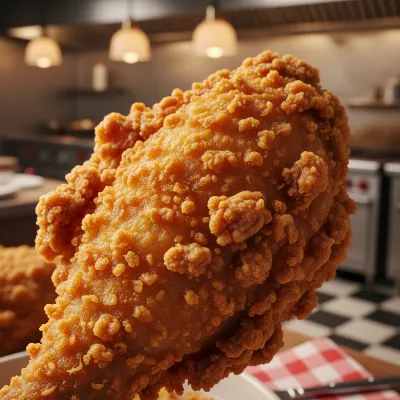 Close-up of crispy, golden-brown deep-fried battered chicken
Where to Buy Your Frying Appliance
Finding the right place to purchase your air fryer or deep fryer can be as important as choosing the appliance itself.
Retail Stores:
- Pros: Allows you to see the product in person, assess its size, build quality, and ask questions of sales associates. Immediate gratification of taking it home.
- Cons: Limited selection compared to online, potentially higher prices.
Online Retailers:
- Pros: Vast selection, often competitive pricing, user reviews provide valuable insights, convenient home delivery. Popular sites include Amazon, Best Buy, Walmart, and manufacturer websites.
- Cons: Cannot physically inspect the product, return processes can vary.
Tips for Online Shopping:
- Read Reviews: Pay close attention to recent reviews regarding performance, durability, and customer service for 2026 models.
- Check Warranty: Understand the warranty policy before purchasing.
- Compare Prices: Use price comparison tools to ensure you’re getting the best deal.
- Shipping & Returns: Verify shipping costs and the retailer’s return policy.
Comparison Table: Air Fryer vs Deep Fryer
This table offers a quick, at-a-glance comparison of the most critical aspects when deciding between these two kitchen appliances.
| Feature | Air Fryer | Deep Fryer |
|---|---|---|
| Cooking Method | Rapid hot air circulation (convection) | Food submerged in hot oil |
| Oil Usage | Minimal (1 tbsp or less, sometimes none) | Substantial (cups to quarts) |
| Health Impact | Significantly healthier, lower fat & calories | Higher fat & calorie content |
| Taste/Texture | Lighter crisp, roasted-like; less authentic “fried” | Authentic, thick, crunchy crust; classic fried taste |
| Cooking Speed | Moderate (10-25 mins); generally slower than deep fry | Fast (3-8 mins); quick heat transfer |
| Versatility | Roasts, bakes, grills, reheats; multi-functional | Primarily frying |
| Cleanup | Easier, often dishwasher-safe parts | More involved, oil disposal consideration |
| Space | Generally more compact countertop appliance | Can be bulky, requires dedicated oil storage |
| Cost | Higher upfront; lower running costs | Lower upfront; higher recurring oil costs |
| Safety | Hot appliance, minimal oil splatters | High-temperature oil, higher risk of burns/fires |
| Best For | Health-conscious, quick weeknight meals, reheating | Traditional fried dishes, wet batters, authentic crunch |
Your Buying Guide: Asking the Right Questions
Before making your final purchase, consider these questions to ensure you select the appliance that truly meets your needs:
- What is my primary motivation for buying a fryer? Am I looking for healthier alternatives to my favorite fried foods, or do I prioritize the authentic taste and texture of traditionally fried dishes?
- How many people will I typically be cooking for? This will dictate the necessary capacity of the appliance.
- What is my budget? Consider both the initial purchase price and the ongoing operational costs, such as oil for deep fryers.
- How much counter space do I have available in my kitchen? Air fryers tend to be more compact, while deep fryers can be bulkier and require more safety clearance.
- How much effort am I willing to put into cleaning and maintenance? Air fryers generally offer easier cleanup, while deep fryers require more diligent oil management and cleaning.
- Do I want an appliance with multi-functional capabilities (e.g., baking, roasting, grilling), or one dedicated solely to frying?
By carefully answering these questions, you can pinpoint the type of fryer that will be the perfect companion for your culinary adventures.
Conclusion
Choosing between an air fryer and a deep fryer ultimately boils down to a trade-off between health and authentic taste. Air fryers stand out as a significantly healthier option, drastically cutting down on oil usage and calories while still delivering a satisfying crisp. Their versatility in cooking methods and ease of cleanup make them an attractive, modern kitchen staple suitable for health-conscious individuals and busy families. On the other hand, deep fryers remain unrivaled for that distinct, indulgent flavor and unparalleled crunch of traditional fried foods, especially for classic battered recipes. While they demand more oil and meticulous cleanup, their speed and authentic results are undeniable.
Consider your cooking priorities: Is it the health benefits and multi-functionality of an air fryer, or the classic, rich taste of deep-fried delights that truly calls to you? Which appliance do you think aligns best with your kitchen and dietary aspirations?
Frequently Asked Questions
Can an air fryer truly replicate the taste of deep-fried food?
An air fryer can produce a very crispy texture that is similar to roasted food, but it generally cannot perfectly replicate the rich, heavy crunch and distinct oil flavor of truly deep-fried items. The results are often described as lighter and cleaner.
How much healthier is air frying compared to deep frying?
Air frying uses 80% to 90% less oil than deep frying, significantly reducing the fat and calorie content of your meals. It can also lower the formation of potentially harmful compounds like acrylamide, which are associated with high-temperature oil frying.
Are air fryers worth the investment if I already have a convection oven?
While air fryers are essentially compact convection ovens with more powerful fans, they often heat up faster and circulate air more efficiently in a smaller space, leading to quicker cooking times and crispier results for small batches, making them a worthwhile investment for convenience.
What are the main safety concerns when using a deep fryer?
The primary safety concerns with deep fryers involve handling large volumes of very hot oil, which poses a significant risk of burns, oil splatters, and potential fire hazards if left unattended or improperly managed.
Frequently Asked Questions
Can an air fryer truly replicate the taste of deep-fried food?
An air fryer can produce a crispy texture similar to roasted food, but it generally cannot perfectly replicate the rich, heavy crunch and distinct oil flavor of truly deep-fried items. The results are often described as lighter and cleaner, lacking the full oil submersion effect.
How much healthier is air frying compared to deep frying?
Air frying uses 80% to 90% less oil than deep frying, significantly reducing the fat and calorie content of your meals. This method can also lower the formation of potentially harmful compounds like acrylamide, which are associated with high-temperature oil frying.
Are air fryers worth the investment if I already have a convection oven?
While air fryers are essentially compact convection ovens with more powerful fans, they often heat up faster and circulate air more efficiently in a smaller space. This leads to quicker cooking times and crispier results for small batches, making them a worthwhile investment for convenience and specific tasks.
What are the main safety concerns when using a deep fryer?
The primary safety concerns with deep fryers involve handling large volumes of very hot oil, which poses a significant risk of burns, oil splatters, and potential fire hazards. It is crucial to never leave a deep fryer unattended when in use and to have a fire extinguisher nearby.
Which appliance is better for cooking wet-battered foods?
Deep fryers are significantly better for cooking wet-battered foods like fish and chips or tempura. Their full oil submersion method ensures the batter cooks evenly and develops the desired crispy crust and authentic texture that air fryers cannot fully achieve.

Finally pulled the trigger on a deep fryer after reading this. I was always worried about the mess and oil, but the focus on authentic fried taste and texture for wet batters really sold me. My fish and chips have never been better! It’s definitely for those special occasion meals, not everyday, but totally worth it.
I appreciate the breakdown of air fryer vs deep fryer. I ended up getting a deep fryer for the classic crunch, but I do wish it was a bit more versatile. It’s great for what it does, but I find myself reaching for my oven more often for other types of cooking. Still, for true fried chicken, nothing beats it.
I’ve been on the fence about getting a deep fryer for ages, but this really helped me decide. I love the idea of that authentic fried taste, especially for things like homemade donuts and crispy chicken wings. The faster frying times for specific dishes are a huge plus for when I’m entertaining. Can’t wait to try out some new recipes!
This was super helpful in understanding the oil usage difference. I’ve been using an air fryer for a while now because of the 80-90% less oil, which is great for healthier everyday meals. But I’ve been missing that really rich, traditional fried texture for certain treats. I think I might need both now!