Deep frying at home brings crispy, delicious results, but the lingering question often revolves around the used oil. Discarding oil after a single use can feel wasteful and expensive, prompting many home cooks to wonder about reusing it. The good news is that with proper care and attention, you can safely extend the life of your deep fryer oil, saving money and reducing waste without compromising on taste or safety. This guide will walk you through the essential steps, considerations, and best practices for filtering and reusing your cooking oil, helping you make the most of every batch.
Choosing the Right Deep Fryer Oil for Reuse
Understanding your oil is the first step towards successful reuse. Deep fryer oil is essentially cooking oil that can withstand high temperatures required for frying without breaking down quickly. Its primary function is to transfer heat efficiently and evenly to food, creating that desirable crispy exterior and cooked interior. Not all oils are created equal when it comes to deep frying and subsequent reuse; characteristics like smoke point and oxidative stability are crucial.
The benefits of reusing deep fryer oil are significant for home cooks. Firstly, it offers a considerable cost saving, as high-quality frying oils can be expensive. Secondly, it’s an environmentally conscious choice, reducing the amount of waste oil that needs to be disposed of. By carefully managing and filtering your oil, you can enjoy multiple batches of perfectly fried foods while minimizing your kitchen’s ecological footprint.
For optimal reuse, consider oils with high smoke points and neutral flavors. Common choices include canola oil, peanut oil, refined vegetable oil (such as soybean or corn oil), safflower oil, and high-oleic sunflower oil. These oils are designed to handle the intense heat of deep frying and maintain their stability over several uses, provided they are properly filtered and stored. Conversely, extra virgin olive oil, with its lower smoke point and distinct flavor, is generally not suitable for deep frying or extensive reuse.
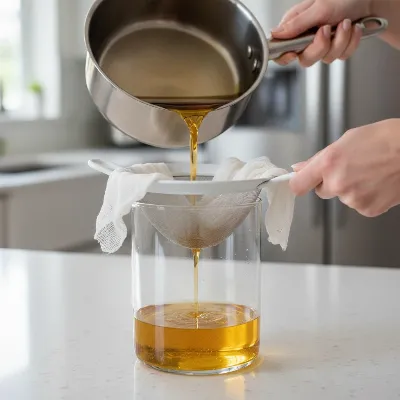 A person carefully pouring cooled deep fryer oil through a fine-mesh strainer lined with cheesecloth into a clear, heat-resistant container.
Factors to Consider When Reusing Deep Fryer Oil
Reusing deep fryer oil isn’t simply a matter of pouring it back into the container; several factors influence how long and how safely you can do so. Being aware of these elements will help you make informed decisions about your oil’s lifespan.
Oil Type: The type of oil you choose plays a significant role in its reusability. Oils with higher oxidative stability and smoke points, like refined canola, peanut, or high-oleic sunflower oil, generally tolerate reheating better and can be reused more times. These oils are less prone to breaking down and forming undesirable compounds.
Food Type: What you fry has a direct impact on the oil’s longevity. Foods heavily coated in breading or batter, as well as proteins like chicken or fish, tend to leave behind more residue. These particles accelerate oil degradation by burning and introducing contaminants, shortening the oil’s usable life. Frying cleaner items, such as French fries, may allow for more reuses. Furthermore, strong-flavored foods, particularly fish, can impart their taste to the oil, which might be undesirable for subsequent batches of different foods.
Temperature: The temperature at which you fry influences oil breakdown. Consistently high frying temperatures or prolonged heating can accelerate the formation of free fatty acids and polar compounds, indicating oil degradation. Maintaining the recommended frying temperature and avoiding overheating are key to preserving oil quality.
Filtration Method: Proper and consistent filtration is perhaps the most critical factor. Removing food particles, crumbs, and other debris after each use prevents them from burning and further degrading the oil. Effective filtration keeps the oil cleaner, extends its life, and prevents off-flavors from developing in your food.
Storage: How you store your used oil is vital for its preservation. Exposure to light, air, and heat are the primary enemies of cooking oil. Storing filtered oil in a clean, airtight container in a cool, dark place (like a pantry or refrigerator) minimizes oxidation and rancidity, significantly extending its shelf life.
Signs of Degradation: Learning to recognize the warning signs that oil has gone bad is essential for food safety and flavor. These indicators include a significant darkening of the oil, an unpleasant or rancid odor, excessive foaming when heated, a thicker or stickier texture, or if the oil begins to smoke at lower-than-usual temperatures. If your fried food tastes off—stale, burnt, or bitter—it’s a clear signal to discard the oil.
> “The secret to maximizing deep fryer oil life lies in vigilant filtration and mindful storage. Treat your oil well, and it will treat your food even better.” – Chef Elena Rodriguez, Culinary Arts Instructor
Comparing Popular Deep Fryer Oil Filtration Methods
Effective filtration is paramount for reusing deep fryer oil. Different methods offer varying levels of effectiveness, time commitment, and cost. Choosing the right approach depends on your preference for convenience and the desired clarity of your oil.
Here’s a comparison of common filtration methods:
| Method | Effectiveness | Time | Cost | Pros | Cons |
|---|---|---|---|---|---|
| Fine-mesh Sieve | Low to Medium | Fast | Very Low | Quick, easy to use, readily available. | Only removes larger particles, many tiny bits remain. |
| Cheesecloth (layered) | Medium | Medium | Low | Catches finer particles than a sieve. | Can be slow, can leave fabric lint, not easily reusable. |
| Coffee Filter | High | Slow | Low | Removes very fine particles for clear oil. | Very slow filtration, can clog easily, single-use. |
| Nut Milk Bag | High | Medium | Moderate | Excellent at trapping fine particles, reusable. | Requires careful cleaning, may need two people for pouring. |
| Flour Sack Towel | High | Medium | Moderate | Very effective, reusable, lint-free cotton. | Can be slow, requires thorough cleaning after use. |
| Dedicated Oil Filter | Very High | Fast | Higher Initial | Highly efficient, specifically designed for oil, often reusable components. | Requires an initial investment, can be bulky. |
For home use, a combination of a fine-mesh sieve followed by a coffee filter or a nut milk bag often provides excellent results. The sieve removes larger debris, preventing the finer filter from clogging too quickly.
Guide to Safely Using and Storing Deep Fryer Oil
Handling used cooking oil, especially when hot, requires caution. Safety should always be your top priority.
Step-by-Step Filtration Process:
- Cool the Oil: After frying, turn off your deep fryer and allow the oil to cool completely. This is the most crucial safety step. The oil should be cool enough to touch, ideally around 150-170°F (65-75°C), before you attempt to handle it. Waiting at least 30 minutes after use is a good rule of thumb.
- Remove Large Debris: While the oil is still in the fryer, use a slotted spoon or spider skimmer to scoop out any large food particles that are floating or settled on the surface.
- Prepare Your Filtration Setup: Place a clean, heat-resistant container (such as a glass jar or a large bowl) in your sink or on a protected surface. Position your chosen filter—a fine-mesh strainer, lined with cheesecloth, a coffee filter set in a funnel, or a nut milk bag—over the opening of the container.
- Slowly Pour the Oil: Carefully and slowly pour the cooled oil from the deep fryer through the filter into your prepared container. Be patient, as finer filtration methods can take some time. Avoid disturbing any settled sludge at the bottom of the fryer if possible.
- Optional Double Filtration: For exceptionally clear oil, you can repeat the filtration process using an even finer filter or fresh filter material.
- Clean the Fryer: Once the oil is removed, clean your deep fryer thoroughly. Remove any remaining residue or burnt-on bits from the basket and the fryer itself. Use warm, soapy water, rinse well, and dry completely before its next use or before refilling with filtered oil.
- Store the Filtered Oil: Transfer the filtered oil into a clean, airtight container. Mason jars or the original oil bottles work well. Label the container with the date of filtration and what type of food was last fried in it. This helps you track its age and prevent flavor cross-contamination.
- Storage Location: Store the sealed container in a cool, dark place. A pantry cupboard or even the refrigerator (which can extend its life) are ideal locations. Avoid storing it near heat sources like the stove.
Safety Notes When Handling Oil:
- Always let oil cool down before handling to prevent severe burns.
- Use heat-resistant gloves if handling oil that is still warm.
- Work on a stable surface to prevent spills.
- Never pour hot oil down the drain, as it can cause clogs and environmental issues.
Tips and Tricks for Cooking with Reused Deep Fryer Oil
Reusing deep fryer oil effectively extends its utility, but a few considerations can optimize your cooking results and oil quality.
Optimizing Oil Quality During Frying:
- Don’t Overload the Fryer: Frying too much food at once lowers the oil temperature, leading to greasy food and prolonged cooking times, which degrades the oil faster.
- Maintain Consistent Temperature: Use a thermometer to keep the oil at the recommended temperature. Overheating oil breaks it down quickly, while too low a temperature results in soggy food.
- Shake Off Excess Batter/Crumbs: Before placing food in the fryer, shake off any loose batter or breading to minimize particles falling into the oil.
- Remove Floating Debris: During frying, periodically skim off any floating food particles to prevent them from burning and tainting the oil.
- Avoid Moisture: Water is oil’s enemy. Ensure food is as dry as possible before frying, especially frozen items, to reduce splattering and oil breakdown.
Recipes Suitable for Reused Oil:
Reused oil can subtly take on the flavors of previously fried foods. It’s generally best to reuse oil for similar types of food. For instance:
- Savory Oil: Oil used for frying chicken, onion rings, or French fries is best reused for other savory items like tempura vegetables, potato chips, or even more chicken.
- Sweet Oil: If you’ve fried doughnuts or churros, that oil could be reserved for other sweet treats. However, it’s generally less common to reuse oil after frying sweet items due to sugar caramelization.
- Avoid Mixing: Do not use oil that has fried fish for anything else, as the strong fish flavor will transfer.
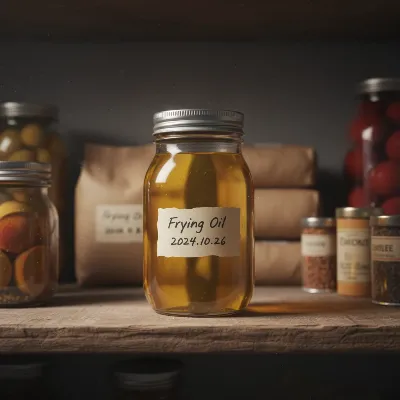 A labeled, airtight glass jar filled with filtered golden deep fryer oil, stored in a cool, dark pantry shelf.
Where to Purchase Deep Fryer Oil Filtration Supplies
Acquiring the right tools for oil filtration is a small investment that pays off in extended oil life and better-tasting food. Many common kitchen items can be repurposed, but dedicated tools also offer superior performance.
Suggested Retailers:
- Kitchen Supply Stores: Stores like Williams Sonoma, Sur La Table, or local kitchen specialty shops often carry fine-mesh strainers, cheesecloth, funnels, and sometimes specialized oil filter systems.
- General Merchandise Stores: Retailers such as Walmart, Target, or IKEA typically have affordable fine-mesh strainers, coffee filters, and glass storage jars.
- Online Marketplaces: Amazon, eBay, and specialized restaurant supply websites offer a wide array of filtration tools, including professional-grade oil filters, nut milk bags, and bulk cheesecloth.
- Home Goods Stores: You can often find suitable airtight glass jars or containers for storage at stores like HomeGoods or TJ Maxx.
Considerations When Buying Filtration Tools:
- Material: Opt for stainless steel strainers and funnels for durability and easy cleaning. For cloth filters, look for high-quality, lint-free options like cotton flour sack towels or durable nylon nut milk bags.
- Mesh Size: The finer the mesh or weave, the more particles it will capture. A fine-mesh strainer is a good starting point, but consider pairing it with a coffee filter or nut milk bag for superior clarity.
- Ease of Cleaning: Choose tools that are easy to wash thoroughly, as oil residue can be stubborn.
- Storage Container: Look for sturdy, airtight, opaque containers if possible, to further protect oil from light and air.
Comparison Table of Deep Fryer Oils
Selecting the right oil is foundational for both initial frying quality and the potential for reuse. Here’s a comparison of popular deep frying oils based on key characteristics relevant to home cooks.
| Oil Type | Smoke Point | Flavor Profile | Reuse Potential | Price | User Reviews & Common Uses |
|---|---|---|---|---|---|
| Canola Oil | ~400°F (204°C) | Neutral | High | Low | Excellent all-purpose oil, good for most fried foods. |
| Vegetable Oil | ~400-450°F (204-232°C) | Neutral | High | Low | Often a blend (soybean, corn), versatile and cost-effective. |
| Peanut Oil | ~450°F (232°C) | Mildly nutty | High | Moderate | Popular for chicken, turkey, and Asian-inspired dishes. |
| Sunflower Oil | ~440°F (227°C) (Refined) | Neutral, clean | Medium to High | Moderate | Good for lighter frying, like chips and tempura. |
| Avocado Oil | ~520°F (271°C) (Refined) | Very mild, buttery | Medium to High | High | Highest smoke point, good for very high-heat applications. |
| Refined Olive Oil | ~390°F (199°C) | Mild | Medium | Moderate | Suitable for frying, but distinct from EVOO. |
Note: Smoke points can vary slightly by brand and refinement level.
Deep Fryer Oil Reuse Buying Guide
Before investing in filtration accessories or even selecting your next batch of deep fryer oil, consider your specific needs and habits. Asking yourself a few targeted questions can ensure you make the best choices for your kitchen.
Questions to Ask Before You Buy:
- How often do I deep fry? If you fry frequently, investing in more durable and efficient filtration tools like a dedicated oil filter or a high-quality nut milk bag might be worthwhile. For occasional frying, a fine-mesh strainer and coffee filters might suffice.
- What types of food do I primarily fry? If you often fry heavily breaded items, you’ll need more robust filtration to handle the abundant debris. If you fry only clean items like French fries, a simpler method may work.
- How much oil do I use? For larger quantities of oil, a wider funnel and a larger storage container will be more practical.
- What is my budget? Filtration tools range from inexpensive household items to more specialized equipment. Determine what you’re willing to spend for convenience and effectiveness.
- How much storage space do I have? Consider the size of the filtration tools and storage containers, especially if kitchen space is limited.
Budget Projections:
- Low Budget (Under $10): Fine-mesh sieve, cheesecloth, paper coffee filters, repurposed glass jars.
- Mid-Range Budget ($10-$30): High-quality nut milk bag, durable stainless steel funnel, dedicated oil storage container.
- Higher Budget ($30+): Specialized oil filtration system or a commercial-style oil filter pot.
By carefully considering these factors, you can equip yourself with the right tools and knowledge to safely and effectively filter and reuse your deep fryer oil, making your deep frying experience more economical and sustainable.
Conclusion
Reusing deep fryer oil at home is a practical and economical practice that can significantly reduce waste and save money, provided it’s done correctly and safely. The key to successful oil reuse lies in diligent filtration, proper storage, and a keen eye for signs of degradation. By selecting oils with high smoke points, such as canola or peanut oil, and filtering them meticulously after each use, you can extend their life for multiple delicious frying sessions. Remember to cool the oil completely before handling, use effective filtration methods like a fine-mesh sieve with a coffee filter or a nut milk bag, and store the filtered oil in an airtight container in a cool, dark place. Paying attention to changes in color, smell, and texture will alert you when it’s time to finally discard the oil. Embracing these practices not only makes your deep frying more sustainable but also ensures your fried foods consistently taste their best. What delicious creation will you fry next with your perfectly maintained oil?
Frequently Asked Questions
How many times can you reuse deep fryer oil?
|
Our Picks for the Best Deep Fryer in 2026
As an Amazon Associate I earn from qualifying purchases.
|
||
| Num | Product | Action |
|---|---|---|
| 1 | Chefman 4.5 Liter Deep Fryer w/Basket Strainer, XL Jumbo Size, Adjustable Temperature & Timer, Perfect for Fried Chicken, Shrimp, French Fries, Chips & More, Removable Oil-Container, Stainless Steel |

|
| 2 | Elite Gourmet Electric Deep Fryer, 4.5 Qt Total Oil Capacity (Dual 2-Qt Split Baskets), 1700 Watts, Stainless Steel, Separates Foods for Simultaneous Cooking, Stainless Steel |
|
| 3 | Hamilton Beach Electric Deep Fryer with 3 Baskets and Lid, 4.5 Liters / 19 Cups Oil Capacity, Temperature Control, View Window, Professional Style, 1800 Watts, Stainless Steel (35034) |
|
| 4 | Secura 4 Liters / 17-Cup Stainless-Steel 1700-Watt Electric Deep Fryer with Timer Free Extra Odor Filter, Triple Basket, 4.5 Quarts, Silver |
|
| 5 | Secura 4 Liters / 17-Cup Stainless-Steel 1700-Watt Electric Deep Fryer with Timer Free Extra Odor Filter, Triple Basket, 4.5 Quarts, Black |
|
| 6 | Hamilton Beach 35032 Professional Style Electric Deep Fryer, Frying Basket with Hooks, 1500 Watts, 3 Liters, Stainless Steel |
|
| 7 | T-fal 3.5L Stainless Steel Deep Fryer with Basket for Home Use, 1700W, Deep Fryer with Oil Filtration, Temp Control, Digital Timer |
|
| 8 | Hamilton Beach Cool Touch Electric Deep Fryer with Basket and Lid, 2 Liters / 8 Cups Oil Capacity, Adjustable Temperature, 1500 Watts for Fast Heat-up, viewing Window Easy to Clean, Black (35021) |
|
| 9 | Alpha Living Electric Deep Fryer – 4.5L Deep Fryer with Basket with 2-Quart and 4-Quart Baskets – High-Grade Stainless Steel – Temperature Control and Timer – Ideal for Fried Chicken, Fries |
|
| 10 | West Bend Deep Fryer with Adjustable Temperature Control Nonstick Basket Easy-View Window and Temperature Guide, Folding Handle and Locking Cover for Easy Storage, 3-Liter, Silver |
|
The number of times you can reuse deep fryer oil typically ranges from 2 to 8, depending on the type of oil, what foods were fried in it, and how well it was filtered and stored. Generally, for home use, 3-4 reuses are common before the oil’s quality significantly declines.
What are the signs that deep fryer oil has gone bad?
Key signs that deep fryer oil has gone bad include a noticeable darkening in color, a rancid or unpleasant odor, excessive foaming when heated, a thicker or sticky texture, or if the oil begins to smoke at temperatures lower than its typical smoke point. If food fried in it tastes stale or burnt, it’s time to discard the oil.
Can I mix different types of deep fryer oil?
It is generally not recommended to mix different types of deep fryer oils. Each oil has distinct properties, including smoke point and flavor profile. Mixing them can alter these characteristics, potentially leading to faster degradation, unpredictable frying results, and undesirable flavor combinations.
Is it safe to reuse oil that has fried fish?
While you can technically reuse oil that has fried fish, it’s usually not advisable for other foods. Fish imparts a strong, distinct flavor to the oil that will transfer to subsequent items fried in it. It’s best to reserve fish-fried oil for frying more fish or dispose of it after one use to avoid flavor contamination.
How long can you store used deep fryer oil?
Properly filtered and stored deep fryer oil can be kept for approximately 1 to 2 months. Storing it in a clean, airtight container in a cool, dark place, such as a pantry or refrigerator, will help maximize its shelf life. Always check for signs of spoilage before reusing, regardless of storage duration.
